MAINDH (Mindful Artificial Intelligence for Innovation and Digital Heritage) is the interdisciplinary laboratory dedicated to research and innovation in the field of cultural heritage, both tangible and intangible, through the conscious use of digital technologies and artificial intelligence. The laboratory promotes an integrated approach that spans from knowledge to conservation, from enhancement to communication, with the aim of making heritage accessible and usable in new, inclusive, and shared ways.
Mission and Vision
MAINDH proposes itself as a hub of knowledge and innovation capable of uniting culture and technology, with the objective of safeguarding, enhancing, and transmitting cultural heritage in new, accessible, and participatory forms. Through a “mindful” use of artificial intelligence, the laboratory promotes an ethical and responsible approach that centers the cultural, social, and educational value of heritage: it is not simply about digitizing, but about interpreting, communicating, and sharing.
MAINDH consolidates the role of DICEA as an active player in the university’s Third Mission, promoting dialogue between research, institutions, cultural entities, and communities, and translating scientific knowledge into tangible value for society.
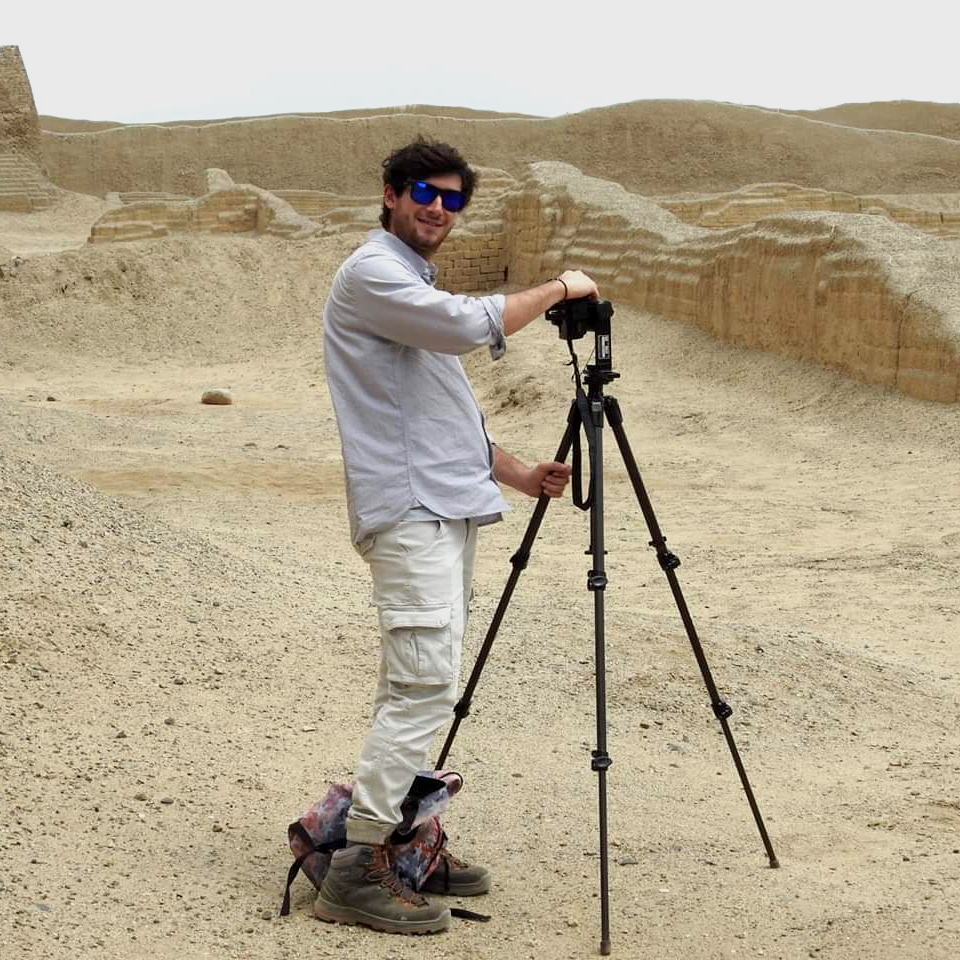
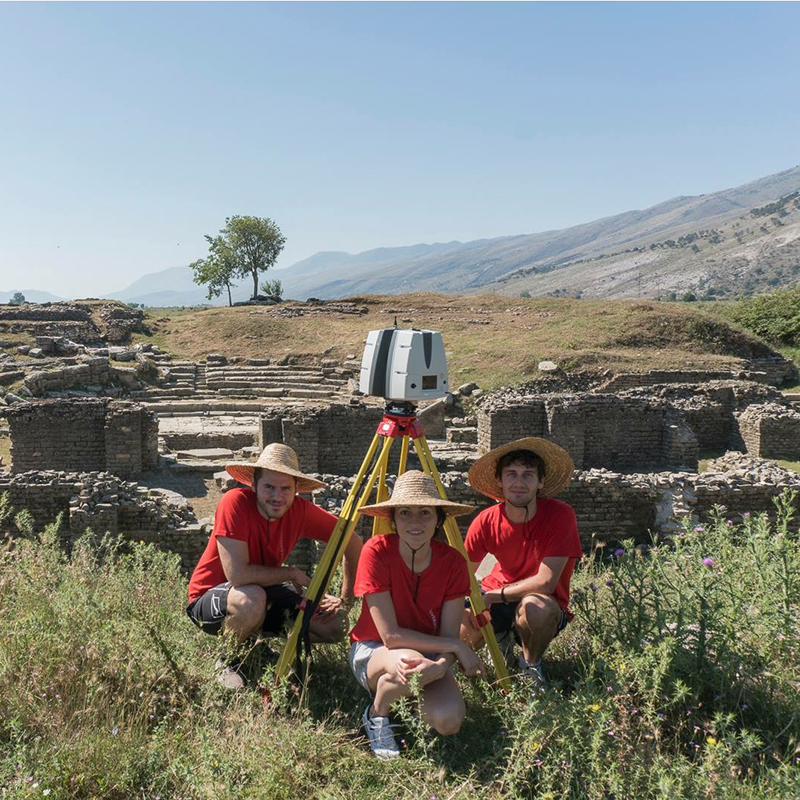
Collaborations and Impact
The laboratory maintains collaborative relationships with public bodies, cultural institutions, superintendencies, museums, municipalities, research centers, and associations, both nationally and internationally. Thanks to these collaborations, MAINDH is able to bring cultural heritage outside academic boundaries, fostering innovation, accessibility, participation, and new forms of enjoyment, education, and dissemination.
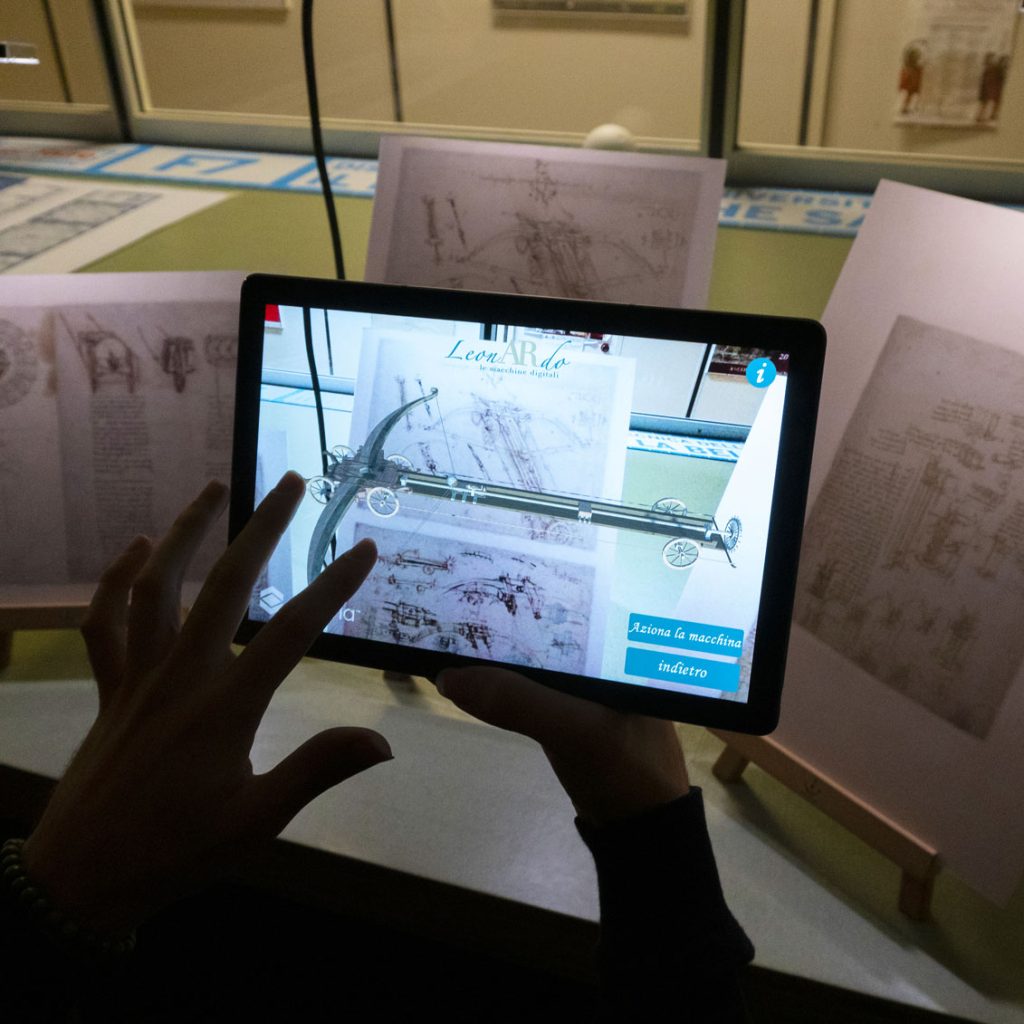
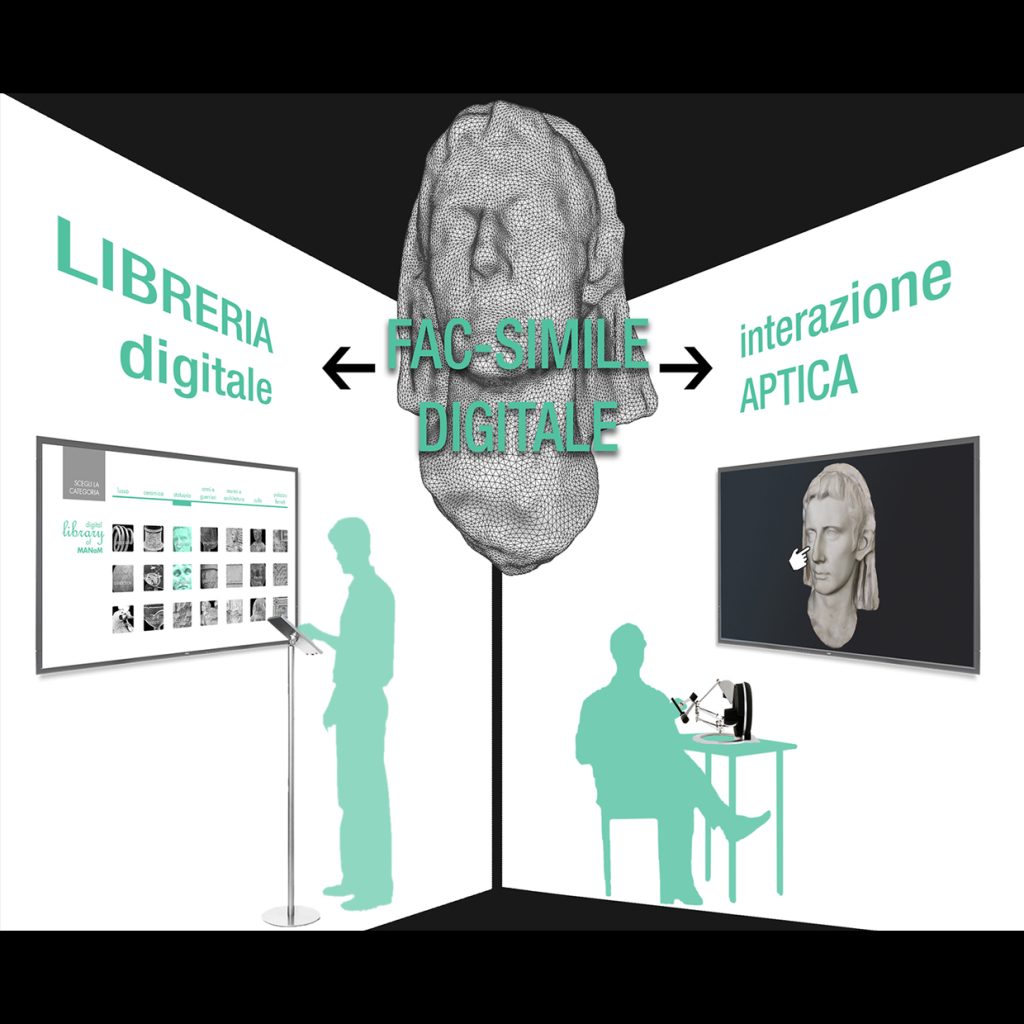
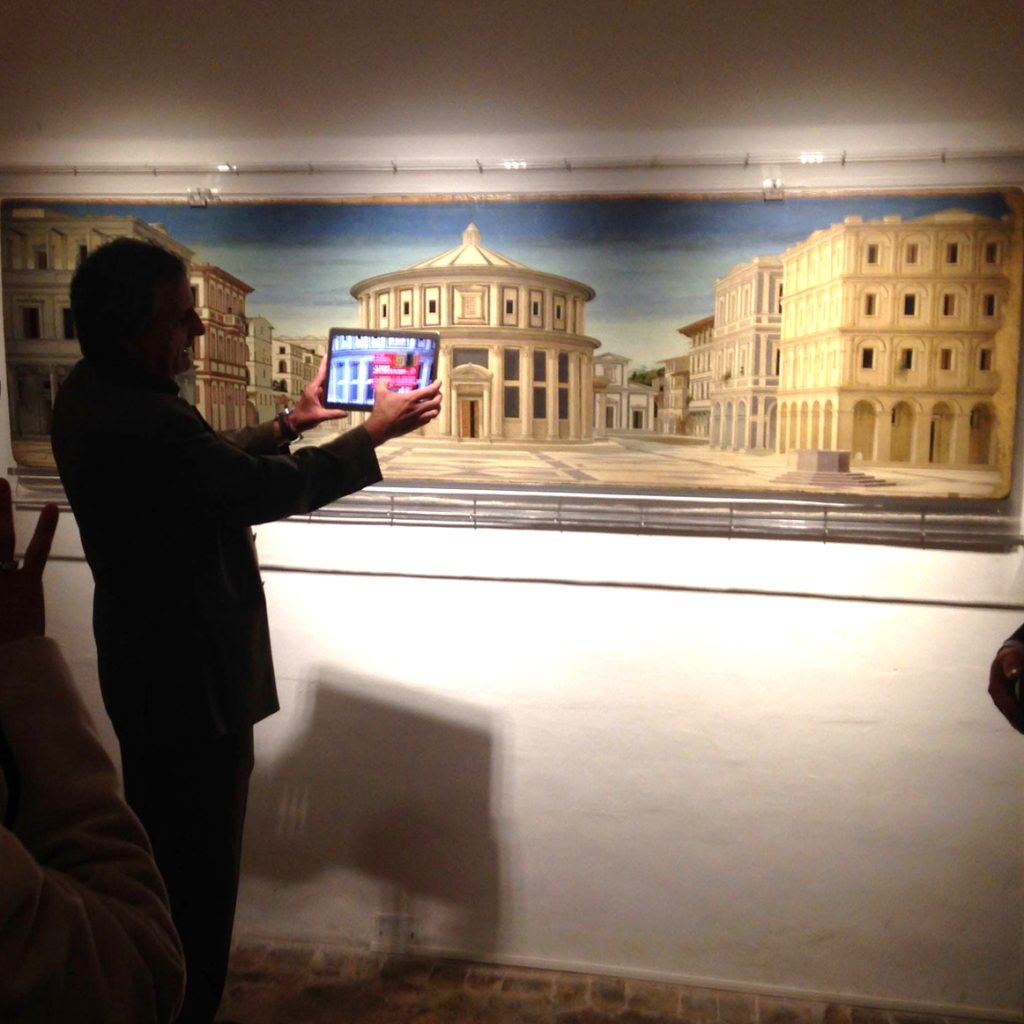
MAINDH synergically combines competences in Digital Cultural Heritage (DISTORI) and Geomatic Applications & Processing (GAP), integrating approaches derived from artificial intelligence, robotics, and new technologies, to give life to a path of multidisciplinary research and innovation.
The lab activities include:
The laboratory is equipped with state-of-the-art instrumentation, which is continuously updated.
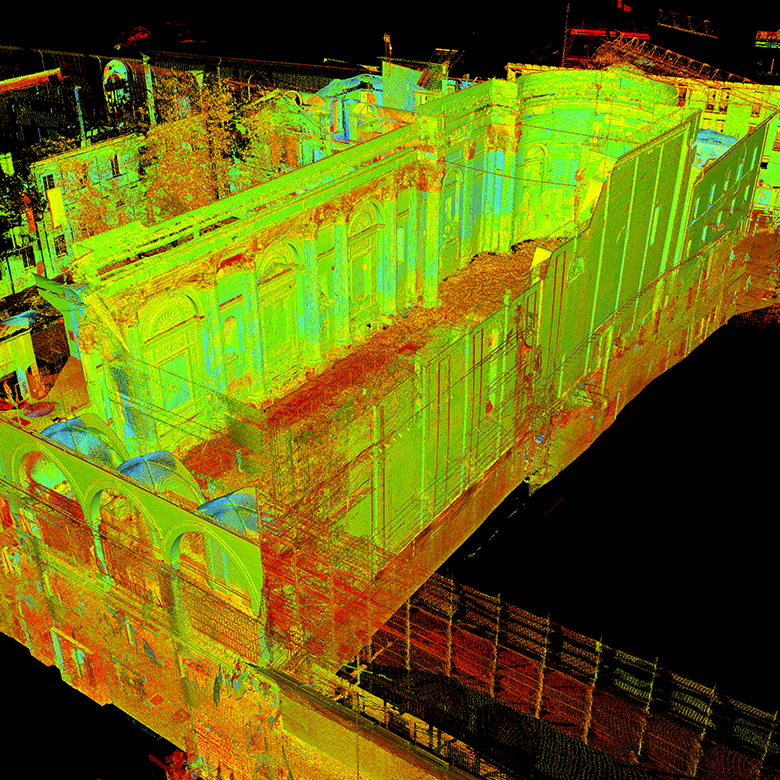
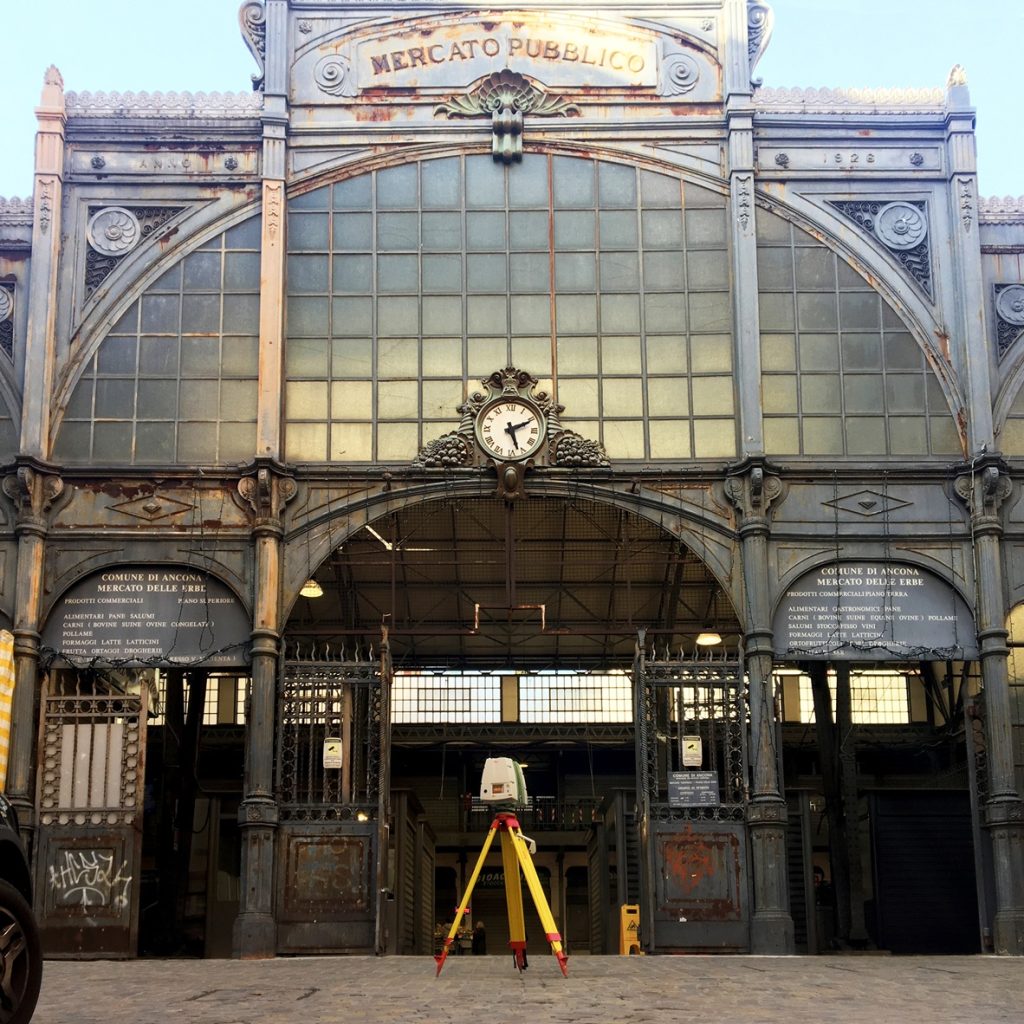
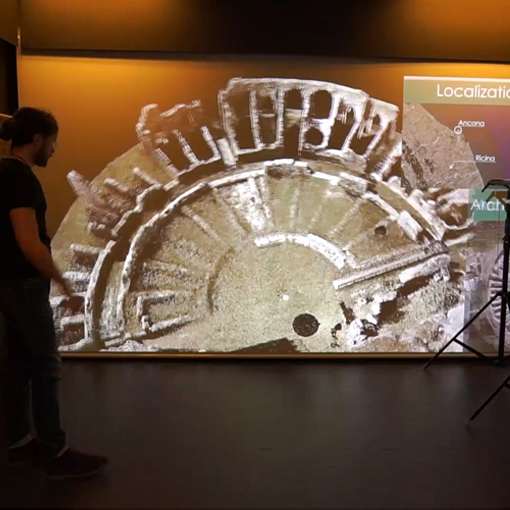
A complete set of scanners with complementary features enables 3D scanning in static and dynamic modes: the 3DEvok MT 3D scanner integrates 3 different types of light sources for acquisitions with a scanning precision up to $0.04 \text{ mm}$ and a density up to $0.05 \text{ mm}$; terrestrial lasers (LEICA C10, LEICA P40, and RTC360) provide 3D data of the highest quality and HDR (High Dynamic Range) images at an extremely high scanning speed and remarkable distances, while the Kaarta Stencil scanner is a lightweight mobile laser scanner that allows for the rapid acquisition of 3D point clouds with large-scale accuracy, thus capable of integrating the real-time mapping and positioning of urban or architectural outdoor and indoor areas. The Leica Scan & Go platform, with automatic biaxial leveling and high precision, allows for semi-dynamic 3D Laser Scanner surveys at high altitudes. To ensure efficiency, our measuring instruments undergo annual control and scheduled maintenance at authorized service centers.
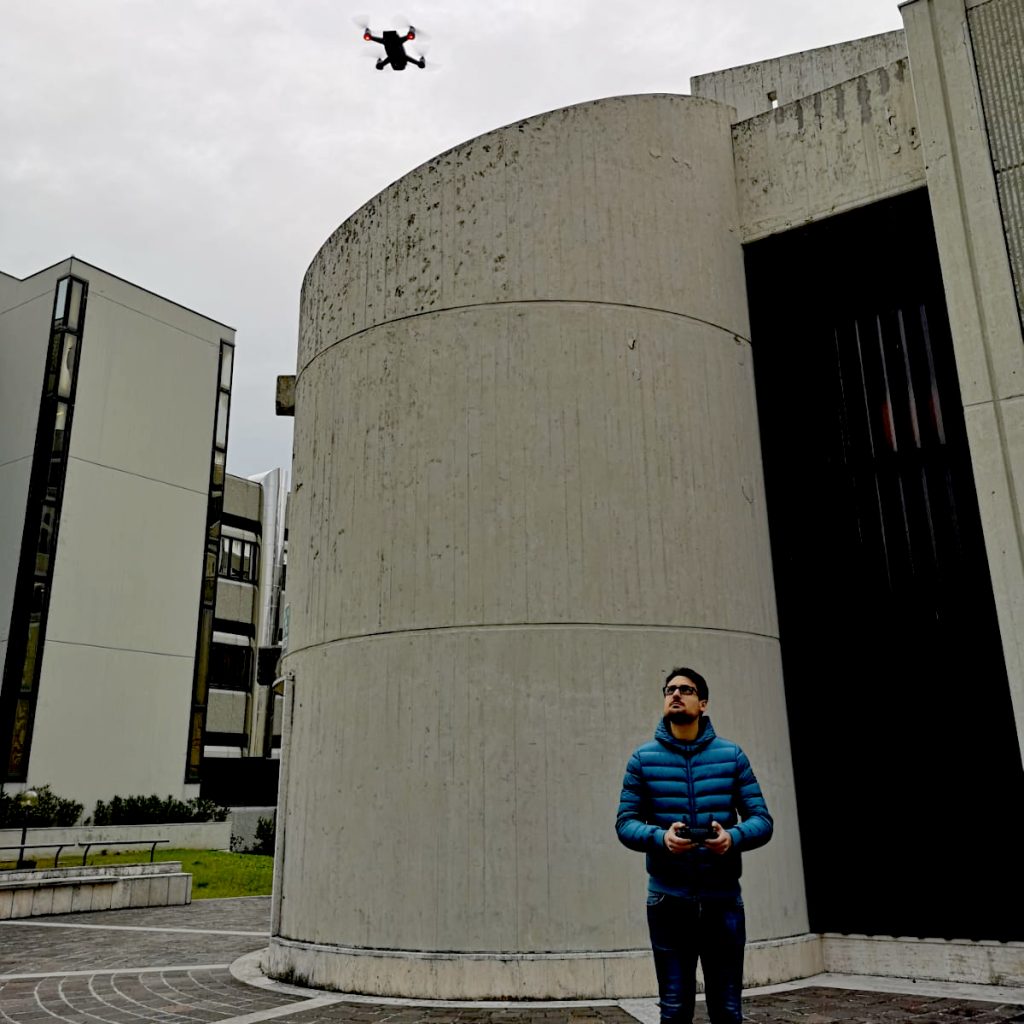
The available metric equipment also includes a GNSS receiver (GPS Hiper HR (Base+Rover)) for the very high precision positioning of surveys using laser scanner or photogrammetric instrumentation, as well as several mini-drones suitable for photographic, photogrammetric, and video documentation (DJI Mavic 3 Classic 2.0, DJI mini 5 pro, DJI Matrice 4E, DJI Matrice 350).
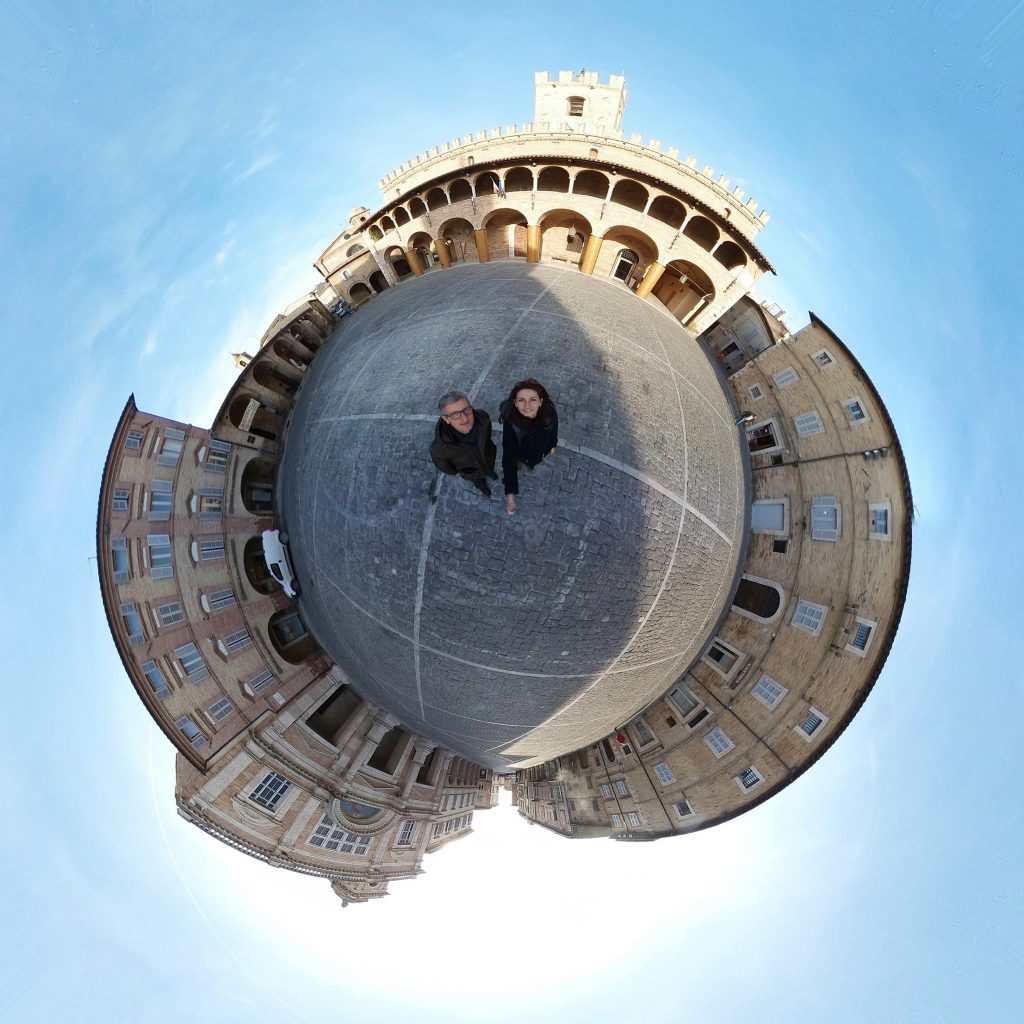
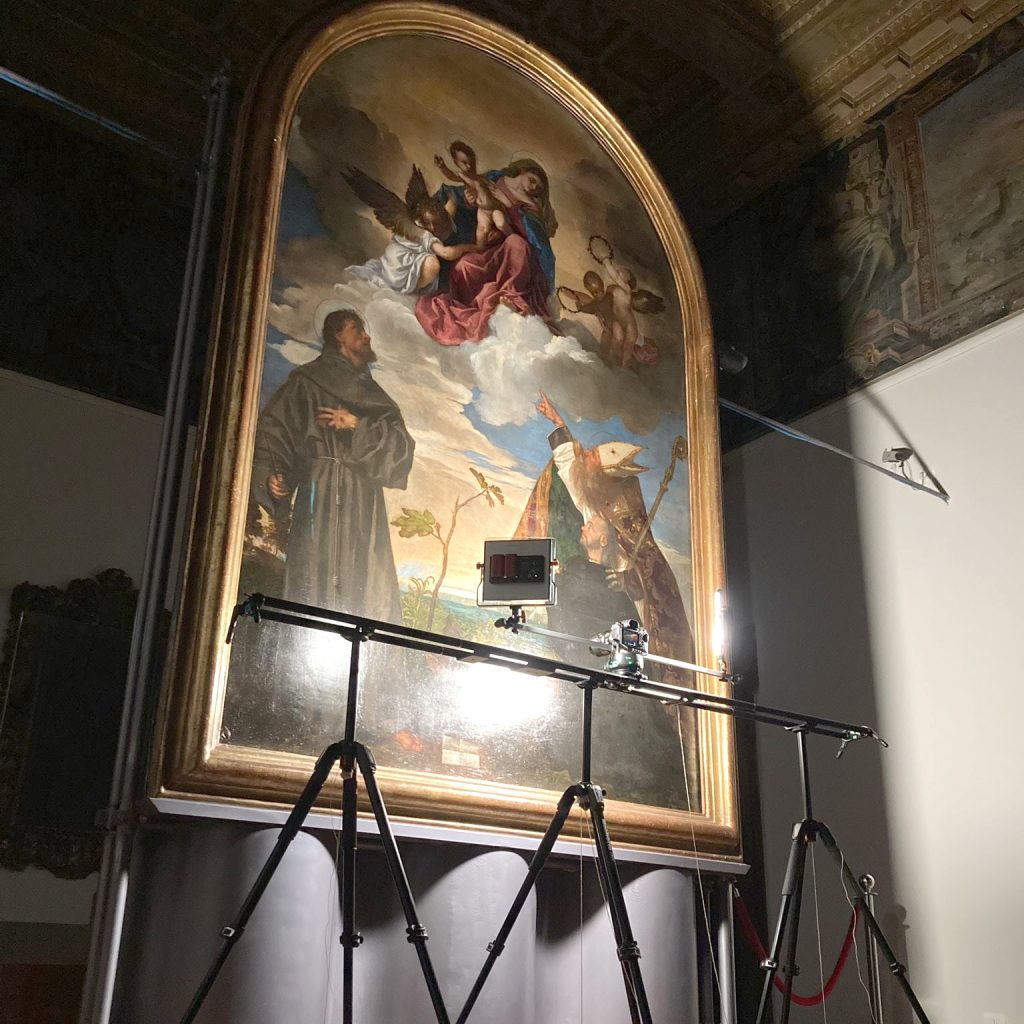
In addition, there is a complete set for photographic and photogrammetric documentation, as well as for creating panoramas (which can be integrated with point clouds) and videos. The photographic equipment is completed by telescopic poles, a stabilizer, and a lighting system that guarantees perfect illumination, both indoors and for outdoor shots; polarizing filters are also available. (Sony Alpha 7rIV, iSTAR, Sony ALPHA 9, Sony ALPHA 6500, Broncolor – Flash Siros 800 L Outdoor Kit 2 WiFi / RFS 2).
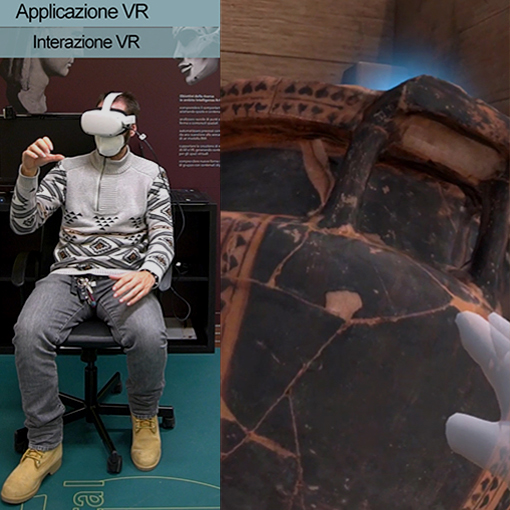
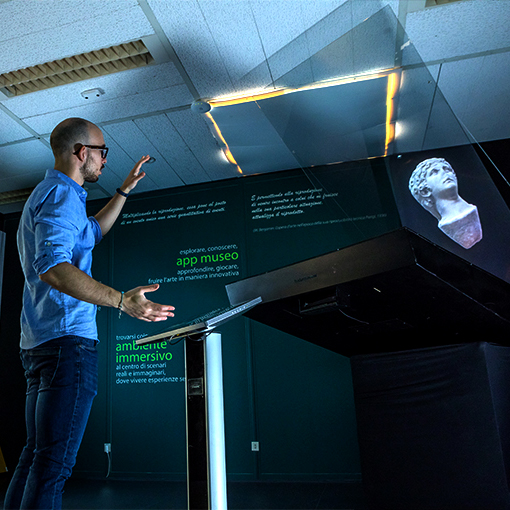
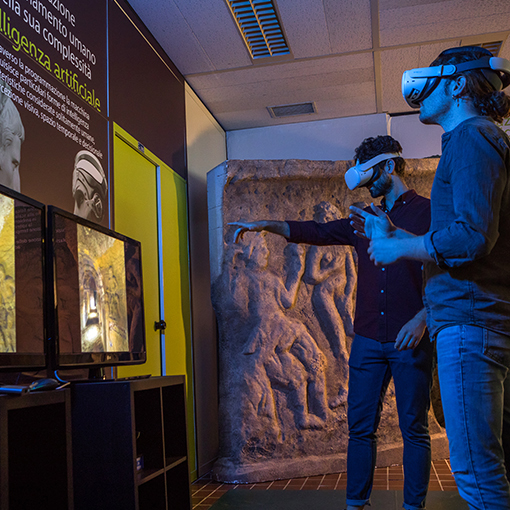
An articulated park of latest-generation devices for the development and use of virtual, augmented, and mixed reality experiences allows for research activities concerning the communication of digitized cultural heritage, including interaction tracking for the study of usability and user satisfaction. (HTC Vive VR, HTC Vive Pro Eye, HTC Vive VR Tobii Pro, iMotions-Eye Tracking Virtual Reality, NeXus-10 MKII Mind Media biometric sensors, Meta Quest 3 and Magic Leap 2, STARK Hologram, STARK Imagewall).